TPLO Surgery
There's hope for dogs with knee pain!

Clinical Signs of Cranial Cruciate Ligament Rupture and Disease
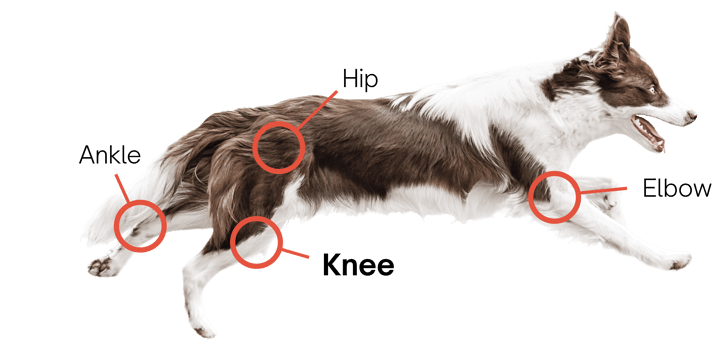
Cranial Cruciate Ligament rupture is the most common cause of rear limb lameness in dogs. This ligament is the equivalent of the Anterior Cruciate Ligament (ACL) in humans. It is one of two stabilizing ligaments that cross inside the canine knee, which prevent the femur and tibia from sliding back and forth on each other.
Signs of a Cranial Cruciate Rupture
- Sudden lameness on a rear limb to a degree where weight can not be borne.
- A history of mild limb lameness that comes and goes before a sudden worsening of symptoms.
Signs of Knee Pain
- Limping or stiffness in one or both hind legs
- Awkward-looking gait from favoring one leg
- Abnormal posture when standing, getting up, lying down or sitting
- Reluctance to climb stairs, run or jump
- Decreased interest in play, exercise, or activity
- Slow or difficult rising after lying down
- Licking leg in area of inflammation
- Decreased range of motion
- Muscle atrophy (loss of muscle mass)
What options can help?
-
Weight optimization to avoid excess load on the joint
-
Non-Steroidal Anti-Inflammatory Drugs (NSAIDs) as prescribed by your vet or intra-articular injections precisely targeted for localized pain relief
-
TPLO (Tibial Plateau Leveling Osteotomy) surgery adjusts the biomechanics of the dog’s knee joint to stabilize it and eliminate pain.
Restoring Pets to their Full Potential
What is TPLO Surgery and How Does it Work?
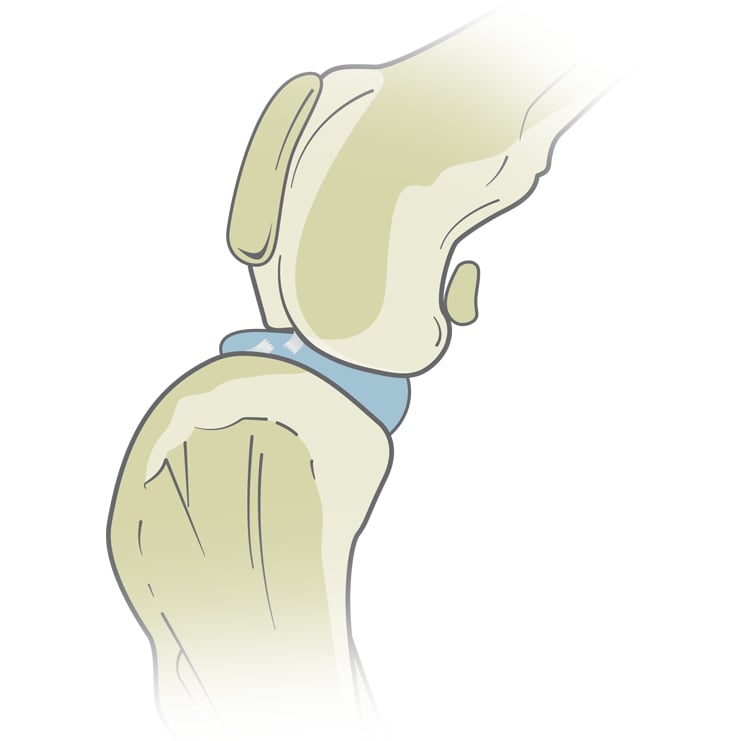
TPLO, or Tibial Plateau Leveling Osteotomy, is a surgery performed on dogs to stabilize the stifle (knee) joint after a rupture to the Cranial Cruciate Ligament. This is comparable to an ACL tear in humans.
Often, degeneration of the cruciate ligament is due to factors such as:
• Breed disposition
• Wear and tear
• Bone deformity /conformation
• Obesity / poor muscle tone
• Injury
The ruptured ligament causes joint instability and allows the femur (thigh bone) to slide backwards off the tibia (shin bone). This is known as “Tibial Thrust”.
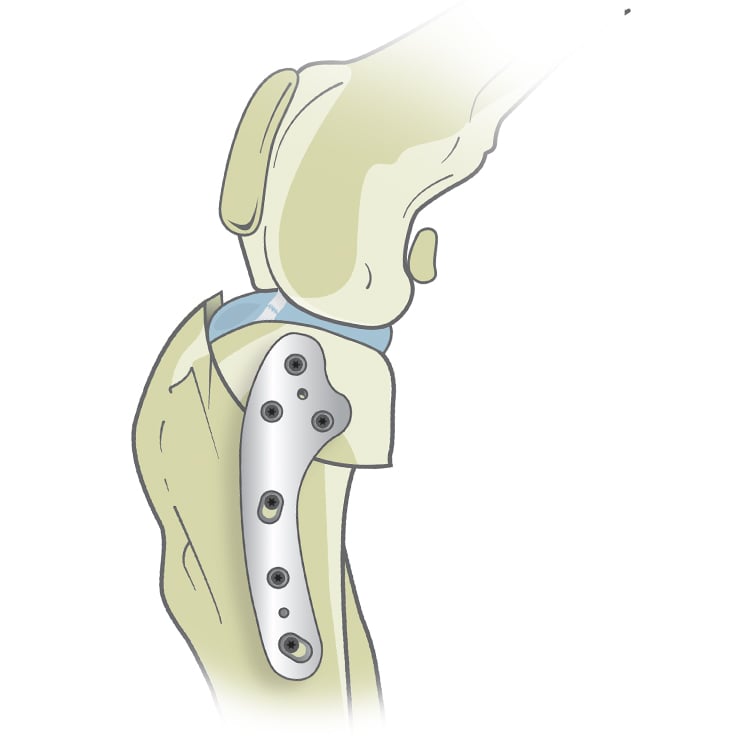
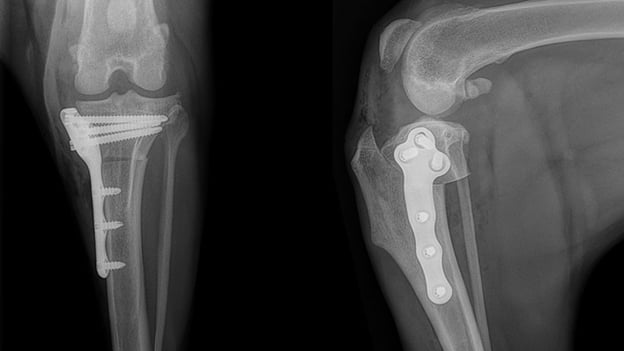
To remedy this, a portion of the tibia is cut and rotated. A TPLO plate is then placed on the tibia and fixed with screws to secure the osteotomy and realigned knee joint.
The Tibial Plateau is now level, the joint is more stable and the femur is less likely to slide. This eliminates the thrusting movement so the dog can move without pain.
TPLO, or Tibial Plateau Leveling Osteotomy, is a surgery performed on dogs to stabilize the stifle (knee) joint after a rupture to the Cranial Cruciate Ligament. This is comparable to an ACL tear in humans.
Often, degeneration of the cruciate ligament is due to factors such as:
• Breed disposition
• Wear and tear
• Bone deformity /conformation
• Obesity / poor muscle tone
• Injury
The ruptured ligament causes joint instability and allows the femur (thigh bone) to slide backwards off the tibia (shin bone). This is known as “Tibial Thrust”.
To remedy this, a portion of the tibia is cut and rotated. A TPLO plate is then placed on the tibia and fixed with screws to secure the osteotomy and realigned knee joint.
The Tibial Plateau is now level, the joint is more stable and the femur is less likely to slide. This eliminates the thrusting movement so the dog can move without pain.
There's treatment for the most prevalent orthopedic problem in dogs.
It's possible to restore mobility with TPLO surgery!
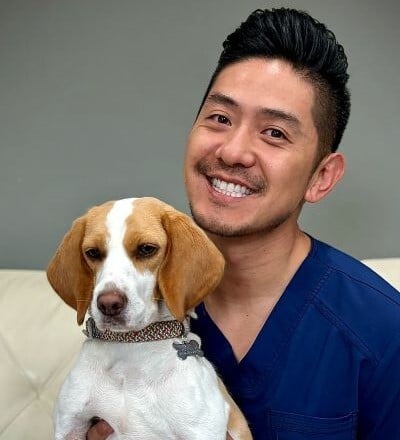
Featured blog: Understanding TPLO with Dr. Kim Tong
Dr. Kim Tong, a board-certified veterinary surgeon, frequently advises pet parents on what to expect when their dog (or cat) has hind-leg lameness and the cause is a torn or diseased knee ligament. Here are the top questions he hears, along with the key points he discusses with pet parents and vets when considering surgery.
TPLO Surgery
Tibial Plateau Leveling Osteotomy (TPLO) is a procedure that changes the way a dog’s knee works.
The goal is to modify the geometry of the surfaces of the knee, neutralizing the forces that caused the torn ligament and instability of the knee joint.
After TPLO Surgery
If left untreated, the instability could lead to inflammation and osteoarthritis in the affected leg and strain or injury in the other leg from compensating. With surfaces of the knee realigned, the pet can bear its weight evenly without pain.

Know the Risks
Any surgery involves risk, and you should discuss these considerations with your veterinarian.
- Anesthetic and Infection Risks
- While rare, complications from anesthesia exist as a potential risk. Careful monitoring and experienced professionals mitigate these concerns.
- Surgical Site Infections, though infrequent, remain a consideration. Vigilant hygiene practices and meticulous postoperative care contribute to safeguarding against this risk.

- Additional Risks and Considerations
- Pressing health matters, such as cancer or other significant medical issues, take priority over TPLO. TPLO is most effective when not overshadowed by other concerns.
- Lameness from sources other than pain due to cranial cruciate ligament rupture may not be addressed by TPLO; your vet will recommend treatment that fits your pet.

- Risks of Common Alternatives
- Medications manage pain, but only pain, not underlying disease. Long-term use of anti-inflammatory drugs can have complications for the liver, kidneys, or gastrointestinal tract.
- Long-term drug therapy is NOT required for pets after TPLO surgery.

- Aftercare Makes a Difference
- Most patients are released from the hospital one to three days after surgery, and most use the operated leg on the day of surgery. When they come home, supervised and limited activity will be prescribed by your doctor. Follow the discharge instructions for the time they recommend.
Mobility for All
The Movora family of brands is continually innovating to bring cutting-edge medicine to pets worldwide. The industry’s broadest selection of TPLO plates is just one of the solutions we offer veterinary surgeons for restoring mobility and letting pets enjoy life with their families.

Movora offers veterinarians worldwide orthopedic and surgical products, education opportunities and service centers. We’ve been pioneering innovation to deliver patient success stories for more than 30 years.
This material is for educational purposes only. It does not replace the diagnosis or advice of your veterinarian. For more information please contact your veterinary specialist.