Total Hip
There's hope for dogs with hip pain!
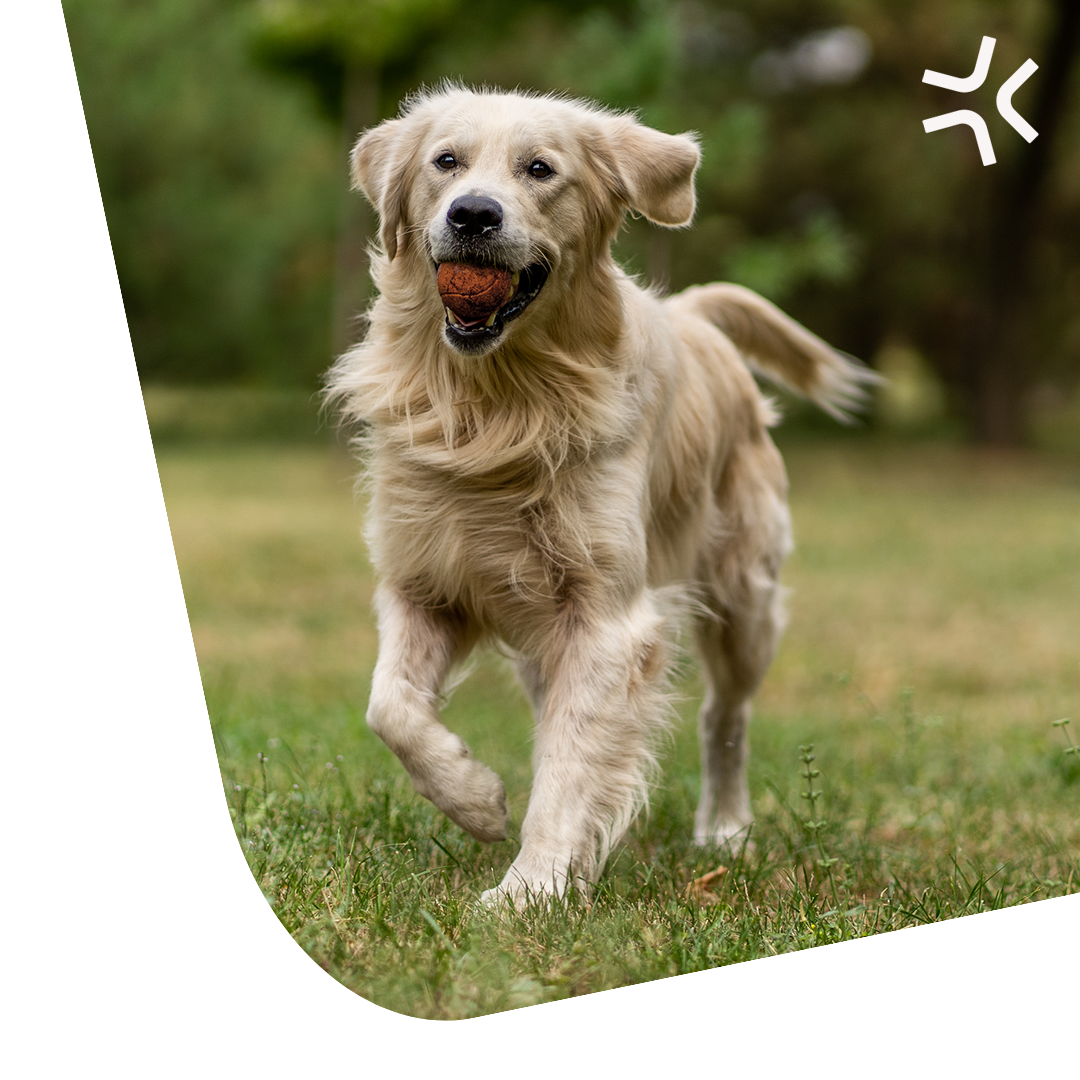
Joint replacement isn't just for human patients, it can restore normal joint function.
Your vet may recommend Hip Replacement surgery to alleviate the pain and/or disability associated painful arthritis of the hip.
Hip replacement is an effective treatment. once the diseased joint is replaced, dogs regain muscle mass and return to an active life, free from the paint of osteoarthritis.
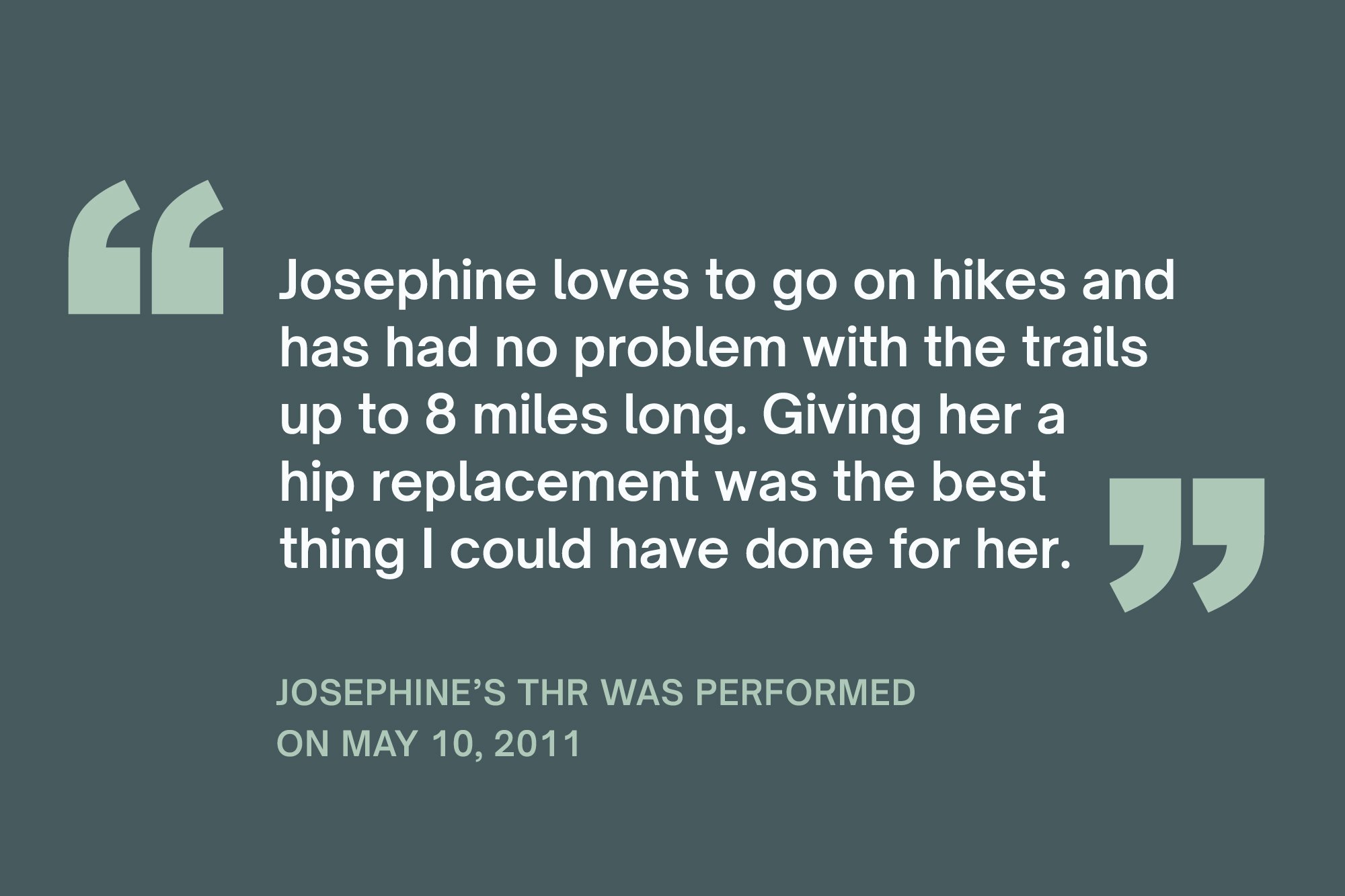
Clinical Signs of Hip Pain
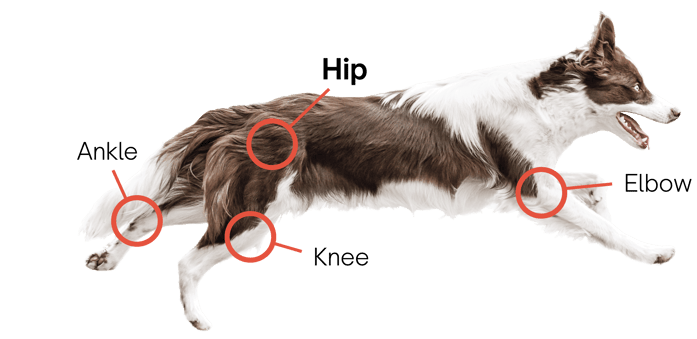
Hip Dysplasia is a genetic disease causing abnormal development and growth of the hip joint, leading to varying degrees of laxity (looseness) of the hip joint with instability. Arthritis is the long-term consequence of hip joint laxity.
Arthritis due to hip dysplasia is the most common indication for total hip replacement (THR) surgery. Other issues THR addresses can include developmental abnormalities like Legg-Calvé-Perthes disease or traumatic fractures.
Signs of Hip Pain
- Lameness in one or both hind legs
- Reluctance to climb stairs, run or jump
- “Bunny hop” gait or walking with short steps
- Decreased interest in play, exercise, activity
- Slow to rise after sleeping
What Options Can Help?
- Weight optimization to avoid excess load on the joint.
- Non-Steroidal Anti-Inflammatory Drugs (NSAIDs) as prescribed by your vet or intra-articular injections precisely targeted for localized pain relief
- Femoral Head Ostectomy is a salvage procedure that somewhat reduces acute pain but permanently disables the joint by removing the ball of the ball & socket joint.
- Total Hip Replacement replaces arthritic or damaged joint components with implants that mimic the natural function of the ball & socket joint, immediately removing the root cause of pain for the pet
Restoring Pets to their Full Potential
Treating Hip Dysplasia in Pets
For years, treatment options for hip dysplasia were limited to medications and surgeries that can’t restore normal joint movement. But there’s a new gold standard for treating hip dysplasia: Total Hip Replacement (THR). Known for restoring mobility for humans, THR offers pets a chance at a pain-free life and greater mobility.
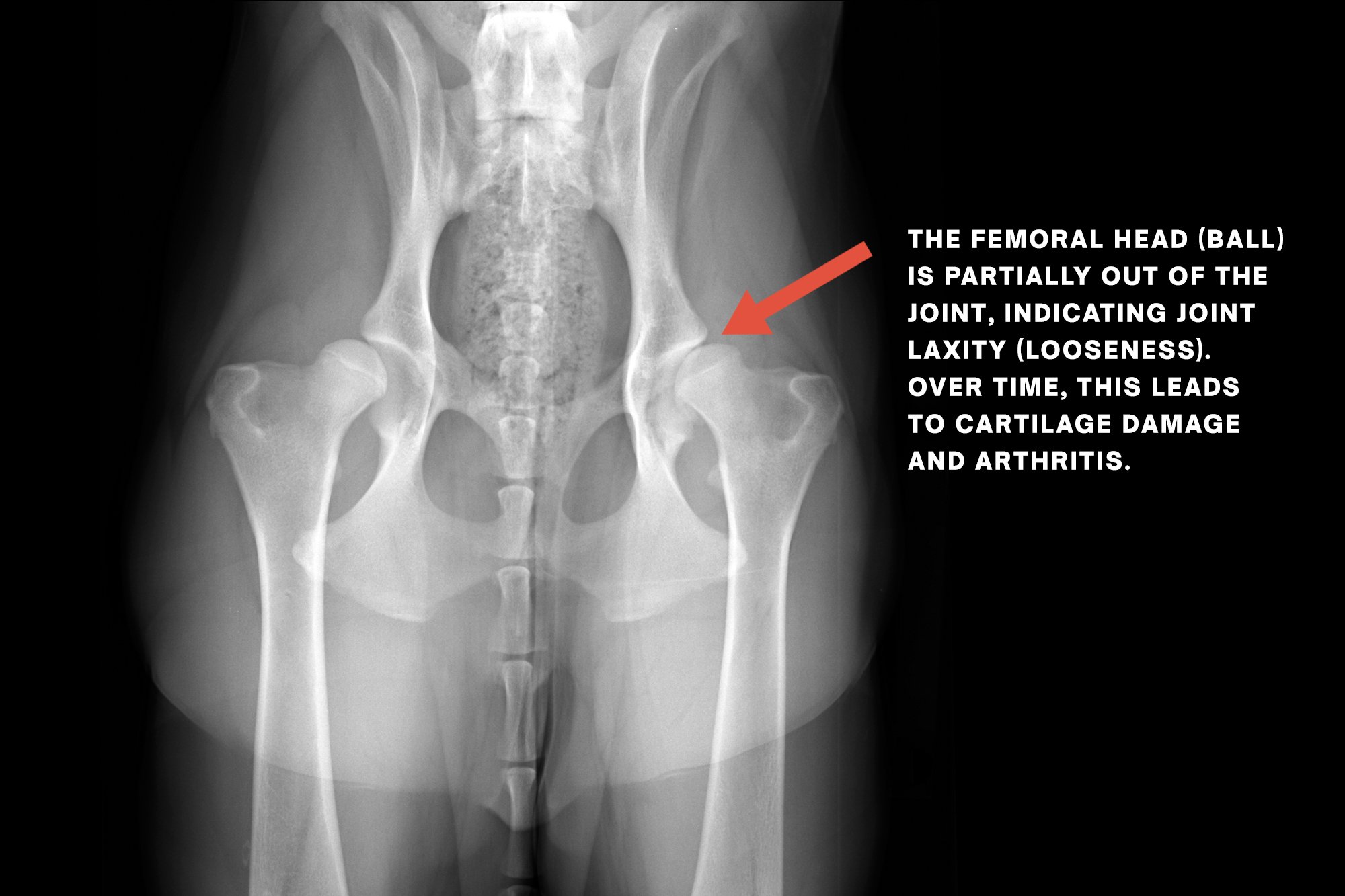
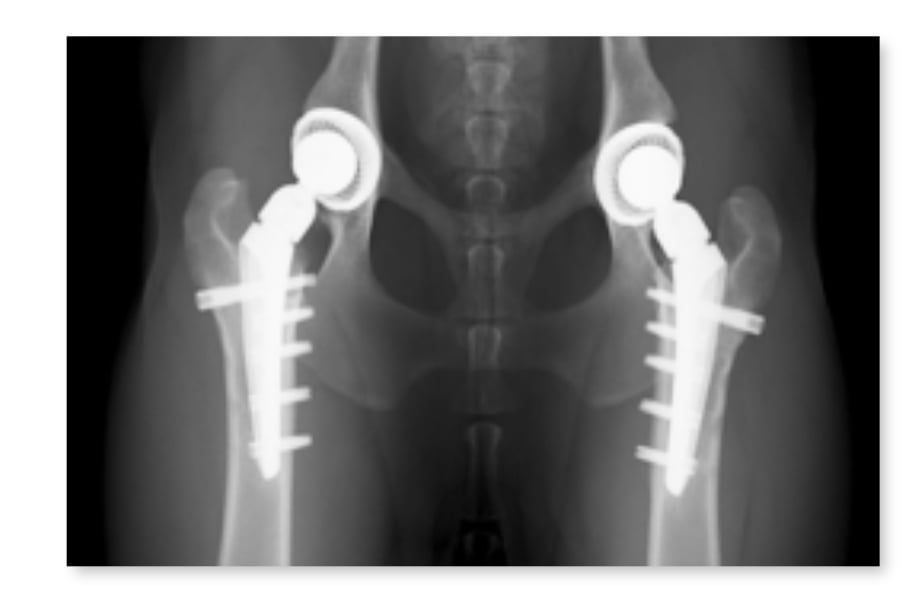
BEFORE HIP REPLACEMENT SURGERY
This radiograph shows a hip ball partially out of the socket on both sides and evidence of arthritis, worse on the left. At this stage, the dog experiences pain. When discomfort can no longer be managed with medication, surgery becomes the best option.
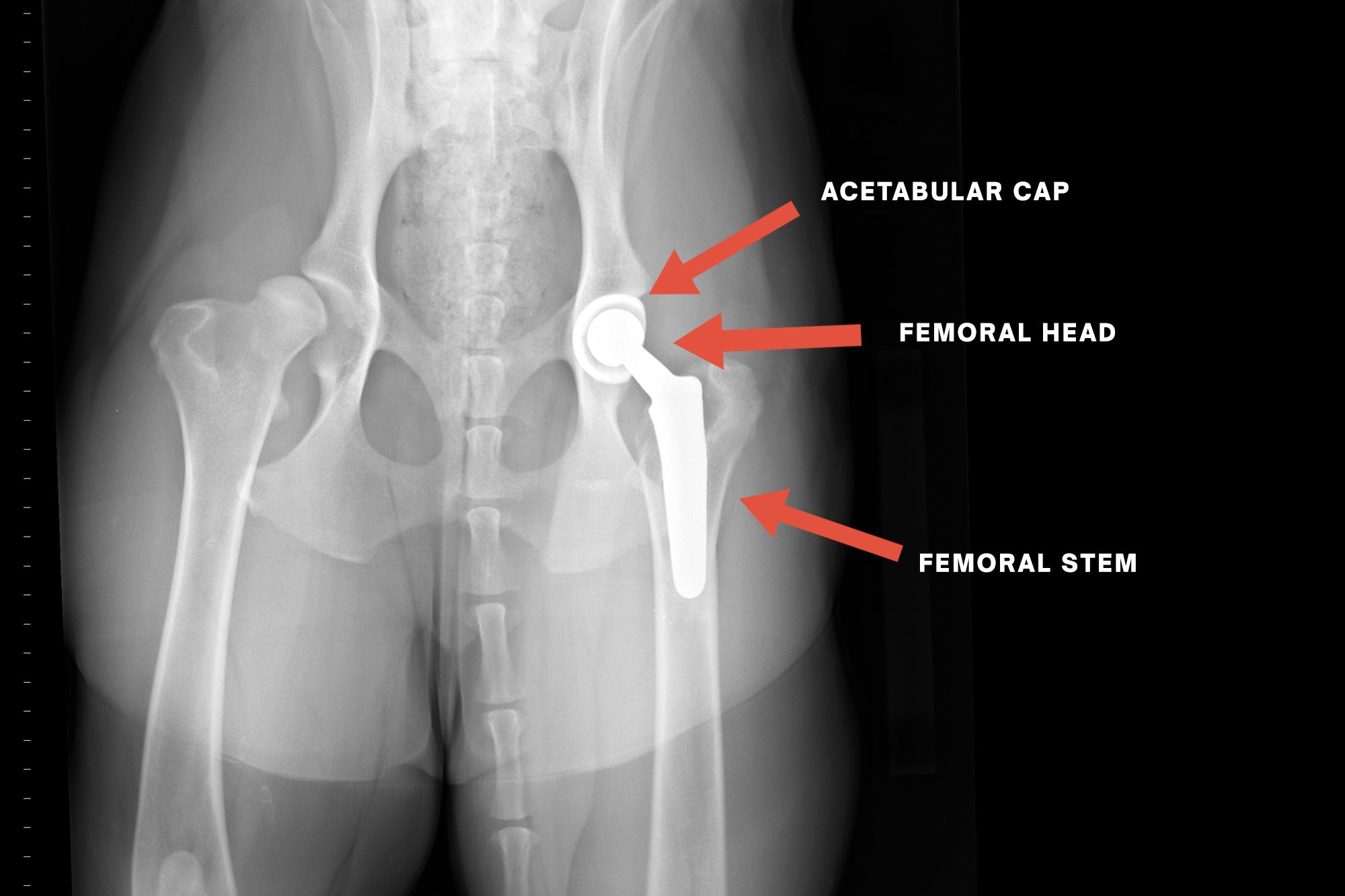
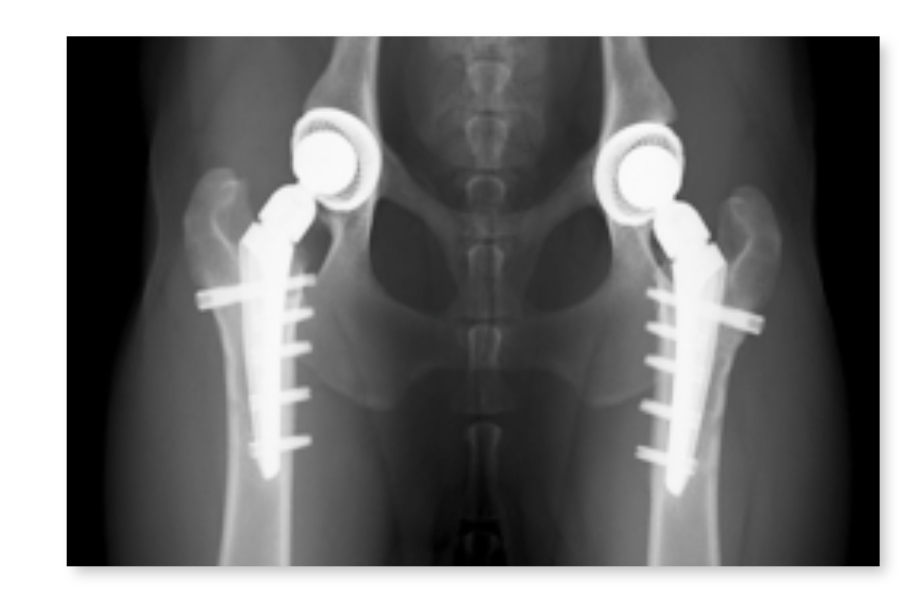
AFTER HIP REPLACEMENT SURGERY
The same view, 3 months after surgery. The hip replacement implants appear as dense, white structures. The dog’s range of motion on the left (operated) hip is better than that of the right, making the left femur (thigh) bone appear longer than the right (which has not yet had its replacement) in the x-ray image.
How Does the Zurich Cementless Hip Replacement System Work?
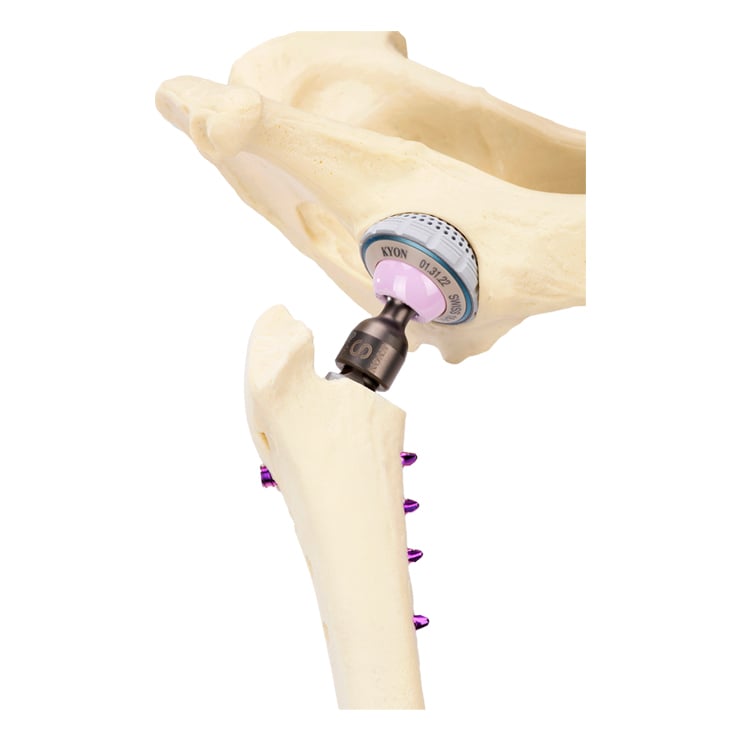
The complete range of the KYON Zurich Cementless Hip and Mini Hip systems makes THR possible for dogs and cats from 4.5 lbs to 198 lbs (2 kg - 90 kg).
More than 100,000 veterinary total joint replacement surgeries have been performed to date. More than of the pets who received a THR are expected to use the new hip for the rest of their lives.
Most patients are released from the hospital one to three days after surgery, and most use the operated leg on the day of surgery. When they come home, supervised and limited activity will be prescribed by your doctor. Follow the discharge results for the time they recommend.
The complete range of the KYON Zurich Cementless Hip and Mini Hip systems makes THR possible for dogs and cats from 4.5 lbs to 198 lbs (2 kg - 90 kg).
More than 100,000 veterinary total joint replacement surgeries have been performed to date. More than of the pets who received a THR are expected to use the new hip for the rest of their lives.
Most patients are released from the hospital one to three days after surgery, and most use the operated leg on the day of surgery. When they come home, supervised and limited activity will be prescribed by your doctor. Follow the discharge results for the time they recommend.
How Does the Universal Hip Replacement System Work?
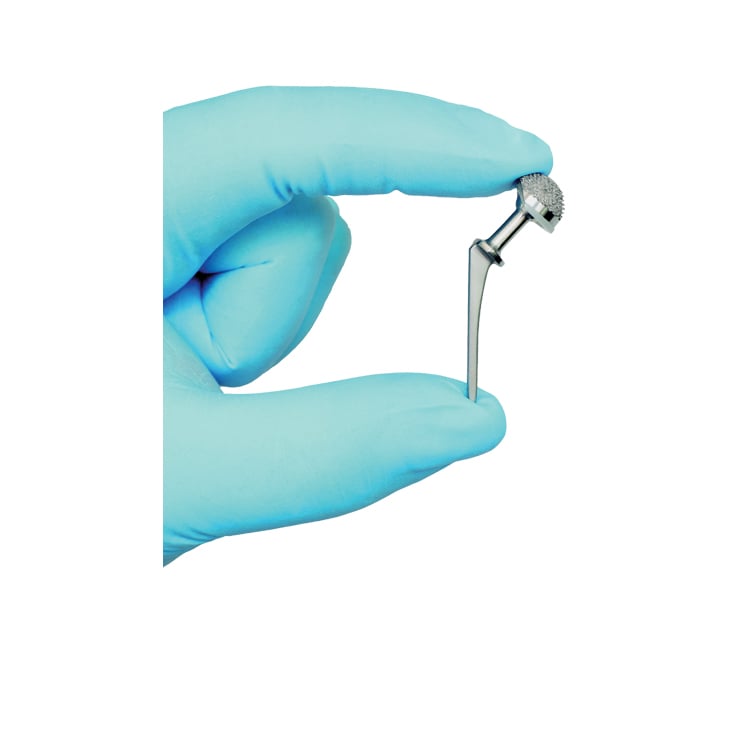
The system is designed to replace the arthritic ball (femoral head) and socket (acetabulum) with prosthetic joint components to restore pain-free, normal joint function.
The complete range of the BioMedtrix Universal Hip and Small Breeds Hip systems makes THR possible for dogs and cats from 4 lbs. to 170 lbs.
More than 100,000 veterinary total joint replacement surgeries have been performed to date. More than 95% of the pets who received a THR are expected to use the new hip for the rest of their lives.
Most patients are released from the hospital one to three days after surgery, and most use the operated leg on the day of surgery. When they come home, supervised and limited activity will be prescribed by your doctor. Follow the discharge instructions for the time they recommend.
The system is designed to replace the arthritic ball (femoral head) and socket (acetabulum) with prosthetic joint components to restore pain-free, normal joint function.
The complete range of the BioMedtrix Universal Hip and Small Breeds Hip systems makes THR possible for dogs and cats from 4 lbs. to 170 lbs.
More than 100,000 veterinary total joint replacement surgeries have been performed to date. More than 95% of the pets who received a THR are expected to use the new hip for the rest of their lives.
Most patients are released from the hospital one to three days after surgery, and most use the operated leg on the day of surgery. When they come home, supervised and limited activity will be prescribed by your doctor. Follow the discharge instructions for the time they recommend.
Know the Risks
Any surgery involves risk, and you should discuss these considerations with your veterinarian.
- Anesthetic and Infection Risks
- While rare, complications from anesthesia exist as a potential risk. Careful monitoring and experienced professionals mitigate these concerns.
- Surgical Site Infections, though infrequent, remain a consideration. Vigilant hygiene practices and meticulous postoperative care contribute to safeguarding against this risk.

- Additional Risks and Considerations:
- Pressing health matters, such as cancer or other significant medical issues, take priority over THR. Hip replacement is most effective when not overshadowed by other concerns.
- Lameness from sources other than hip pain, such as the knee or spine, will not be addressed by hip replacement; your vet will recommend treatment that fits your pet.
- Additional low risks include femur fracture and luxation of joint components. In rare instances, the sciatic nerve can be injured during the surgery. Sciatic nerve problems are usually transient and resolved within a few weeks.

- Risks of Common Alternatives:
- A surgical salvage procedure called a femoralhead ostectomy (FHO) severely alters the biomechanics of the hip joint. Pain relief following FHO is unpredictable. Limping will be permanent due to differing leg lengths.
- Medications manage pain, but only pain, not underlying disease. Long-term use of anti-inflammatory drugs can have complications for the liver, kidneys, or gastrointestinal tract. Long-term drug therapy is not required for dogs and cats after hip replacement surgery.
Mobility for All
The Movora family of brands is continually innovating to bring cutting-edge medicine to pets worldwide. Our hip replacement systems are prestigious solutions we offer veterinary surgeons for restoring mobility and letting pets enjoy life with their families.

Movora offers veterinarians worldwide orthopedic and surgical products, education opportunities and service centers. We’ve been pioneering innovation to deliver patient success stories for more than 30 years.
This material is for educational purposes only. It does not replace the diagnosis or advice of your veterinarian. For more information please contact your veterinary specialist.